
How Does Drought Affect Your Home’s Foundation?
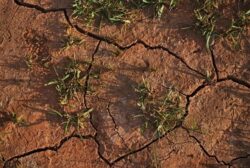
Drought conditions can do more than dry out your lawn—they can wreak havoc on your home’s foundation. When soil moisture levels drop, serious structural issues can result, requiring costly repairs. If you live in an area prone to dry spells, understanding how drought impacts your foundation and how to prevent damage can help protect your home.
What Happens to Your Foundation During a Drought?
Soil plays a crucial role in supporting your home’s foundation. When drought strikes, the lack of moisture causes the soil to contract. This is especially problematic in areas with clay-heavy soil, which expands and contracts dramatically based on moisture content.
As the soil dries out and shrinks, gaps form around and beneath the foundation. Without proper support, parts of the foundation can settle unevenly, leading to cracks and other structural issues.
Common Signs of Foundation Problems Caused by Drought
During or after a drought, inspecting your home for signs of foundation issues is important. Here are some of the most common red flags:
- Cracks in walls or ceilings – Pay attention to cracks that suddenly appear or widen, especially around windows, doors, and corners.
- Sticking doors and windows – Doors and windows that become difficult to open or close may indicate shifting in the foundation.
- Gaps between soil and foundation – If the soil around your home has pulled away from the foundation, it’s a sign that the soil has dried and shrunk.
- Uneven floors – Warped or sloping floors can be a symptom of foundation settlement.
How to Prevent Foundation Damage During Drought
While you can’t control the weather, there are steps you can take to minimize the risk of foundation damage during dry conditions:
- Keep the Soil Moist – Use a soaker hose around your foundation to maintain consistent moisture levels. Avoid overwatering, as this can cause other problems like soil erosion.
- Install Proper Drainage Systems – Ensure that your gutters and downspouts are directing water away from your foundation. Proper drainage prevents water from pooling and causing uneven soil moisture.
- Mulch Around the Foundation – Mulching helps retain moisture in the soil and prevents rapid drying during hot weather.
- Water Trees and Shrubs Near the House – Trees and large shrubs can draw significant moisture from the soil, exacerbating drought-related issues. Keep them well-watered during dry periods.
- Inspect Your Foundation Regularly – Routine inspections can help you catch early signs of foundation problems before they become severe. Look for cracks, gaps, or shifting in and around your home.
What to Do If You Notice Foundation Problems
If you spot any signs of foundation damage, it’s important to act quickly. Here are the common solutions foundation repair professionals may recommend:
- Steel Push Piers – These are driven deep into stable soil layers beneath your home to provide support and lift the foundation back to its original level.
- Helical Piers – Similar to push piers, these are screwed into the ground to stabilize and support the foundation.
- Underpinning – This involves reinforcing the existing foundation by adding additional support beneath it.
Each solution depends on the severity of the damage and the type of soil beneath your home. A professional inspection is essential to determine the best course of action.
FAQs About Drought and Foundation Damage
Q: Can drought cause basement cracks?
Yes. As the soil around your home shrinks, it can lead to uneven pressure on the foundation, resulting in cracks in the basement walls or floor.
Q: How often should I water my foundation during a drought?
It depends on your region and soil type, but generally, watering every few days during dry periods is sufficient to maintain consistent moisture levels.
Q: Will insurance cover foundation damage caused by drought?
Foundation damage caused by drought is typically not covered by standard homeowners’ insurance policies. It’s best to check with your provider for specific coverage details.
Final Thoughts: Protect Your Foundation Before Problems Arise
Drought can have a lasting impact on your home’s foundation, but with proper precautions, you can minimize the risk of serious damage. Keep an eye out for warning signs, maintain consistent moisture levels in the soil, and don’t hesitate to call a professional if you suspect foundation issues. Investing in prevention and early detection can save you from costly repairs and keep your home stable for years to come. Find a contractor near you!