
What is the Strongest Foundation for a House
When you are building a house, one of the most important decisions you make is what type of foundation to use. There are many different types of foundations, and each has its own advantages and disadvantages.
So which is the best foundation for a house? That depends on your specific situation. In this post, we will explore the different types of foundations and help you decide which one is right for you.
Types of foundation for a house
A foundation is one of the most important parts of a house. It supports the weight of the building, keeps it anchored to the ground, and protects it from moisture and pests. There are several different types of foundations, each with its own advantages and disadvantages.
Poured Concrete Foundations
Best for: Strength and durability in most soil types
Strength rating: *****
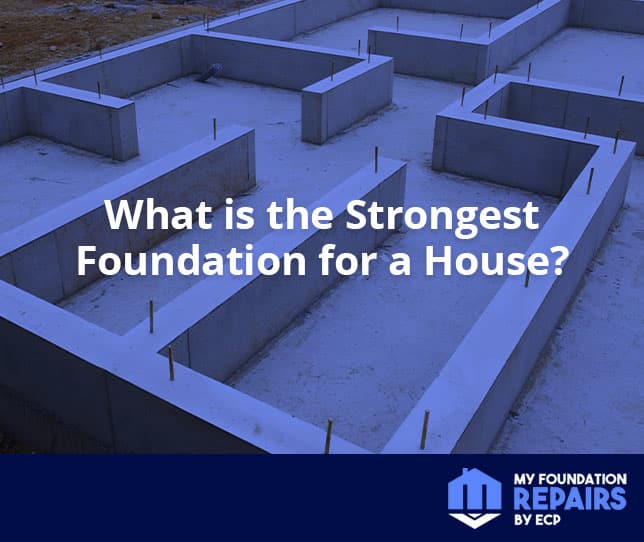
Poured concrete foundations are one of the most popular choices in modern homebuilding—and for good reason. These foundations are created by pouring wet concrete into forms, which then harden into a solid slab or wall.
Pros:
-
High strength and durability
-
Great moisture resistance when properly sealed
-
Customizable to different home designs
Cons:
-
Higher upfront cost than some other types
-
Requires professional installation
Block Foundations
Best for: Budget-conscious builds that still need good load support
Strength rating: ****
Block foundations are constructed using concrete masonry units (blocks) stacked and sealed with mortar. These are often used in homes with basements or crawl spaces.
Pros:
-
Cost-effective
-
Durable and long-lasting
-
Easy to repair if cracks appear
Cons:
-
Mortar joints can weaken over time
-
Less water-resistant than poured concrete
Crawl Space Foundations
Best for: Homes built on uneven or sloped terrain
Strength rating:**
Crawl space foundations elevate your home off the ground and provide space underneath for plumbing, electrical, or HVAC systems.
Pros:
-
Easier access for maintenance
-
Uses less concrete—more budget-friendly
-
Better ventilation in damp climates
Cons:
-
Lower structural strength
-
Can be prone to moisture and mold issues without proper insulation and drainage
Pier and Beam Foundations
Best for: Areas with poor soil conditions or flood-prone zones
Strength rating: **
This type of foundation uses vertical piers (or posts) driven deep into the ground to support horizontal beams that carry the weight of your home.
Pros:
-
Works well on unstable or shifting soil
-
Easier access to plumbing and utilities
-
Ideal for flood zones
Cons:
-
More expensive to build and maintain
-
Can be vulnerable to pests and moisture if not properly sealed
Which is the strongest type of foundation for a house
Poured concrete is the strongest type of foundation for a house. Concrete is incredibly strong and durable, and it can be poured into any shape. This makes it ideal for supporting the weight of a house.
Block foundations are also very strong, but they are not as flexible as poured concrete. Block foundations are typically used in areas with high winds, because they can withstand a lot of force without shifting.
Crawl space and pier and beam foundations offer flexibility for certain terrains or climates, but they don’t offer the same level of load-bearing capacity or long-term structural integrity as concrete-based options.
Choosing the RIGHT Foundation for Your Home
The strongest foundation might not always be the best foundation for your specific situation. Factors to consider include:
-
Soil composition: Sandy, clay-heavy, or shifting soils each have different requirements.
-
Moisture levels: Homes in wetter climates need extra protection against water.
-
Climate: Freeze/thaw cycles and flood risks can affect the longevity of your foundation.
-
Budget: Some options offer long-term savings but require a higher upfront investment.
Get Expert Help with Your Foundation
Choosing the right foundation—or evaluating the one you already have—can feel overwhelming. My Foundation Repairs makes it easy by connecting you with trusted local contractors who understand your area’s soil conditions, climate, and construction needs. Whether you're planning new construction or need advice on an existing home, our experts can help you find the best solution.
Find a qualified contractor in your area today.